Homeowners in Somerville, MA considering smart garage systems need clear guidance on materials that handle New England weather, security needs, and long-term value. Choosing the right materials early in a smart garage systems project reduces callbacks, improves insulation, and keeps integration with openers and sensors straightforward.
Why material choice matters for smart garage systems
Material affects durability, thermal performance, noise, and how well smart garage systems integrate with sensors and automatic openers. A door material that warps or conducts cold can undermine electronics, cause false sensor readings, and increase energy bills. For Somerville residents, that means prioritizing materials that resist moisture, provide good insulating value, and support the weight and movement of connected hardware.
Common materials: strengths and trade-offs
Below are the materials most often used in residential smart garage systems, with quick pros and cons to help you decide.
Steel
Steel is the most common choice for smart garage systems because it’s strong, widely available, and cost-effective. Modern steel doors come with foam insulation cores that improve R-values and reduce noise—important when your smart system triggers frequent openings and closings.
- Pros: durable, low maintenance, good insulation when insulated, supports heavy smart openers.
- Cons: can dent, may rust at damaged spots unless galvanized or finished, heavier than alternatives.
Aluminum
Aluminum doors are lighter and resist rust, useful for low-maintenance smart garage systems where weight matters. They are popular on wider openings and for contemporary home designs.
- Pros: lightweight, rust-resistant, suited for modern styles.
- Cons: dents easily, lower insulation unless specially constructed.
Wood
Wood doors offer classic curb appeal and can be engineered to work with smart garage systems, but they demand more maintenance in MA’s humid summers and cold winters. Proper sealing and regular painting or staining are required to prevent warping that can interfere with sensors and automatic tracks.
- Pros: attractive, customizable, good natural insulation in thicker builds.
- Cons: high maintenance, can expand/contract with humidity, heavier than some alternatives.
Composite and fiberglass
Composite and fiberglass doors mimic wood grain while resisting rot and moisture—an advantage in Massachusetts. They are stable, low maintenance, and typically lighter than solid wood, which helps motors and tracks last longer in smart garage systems.
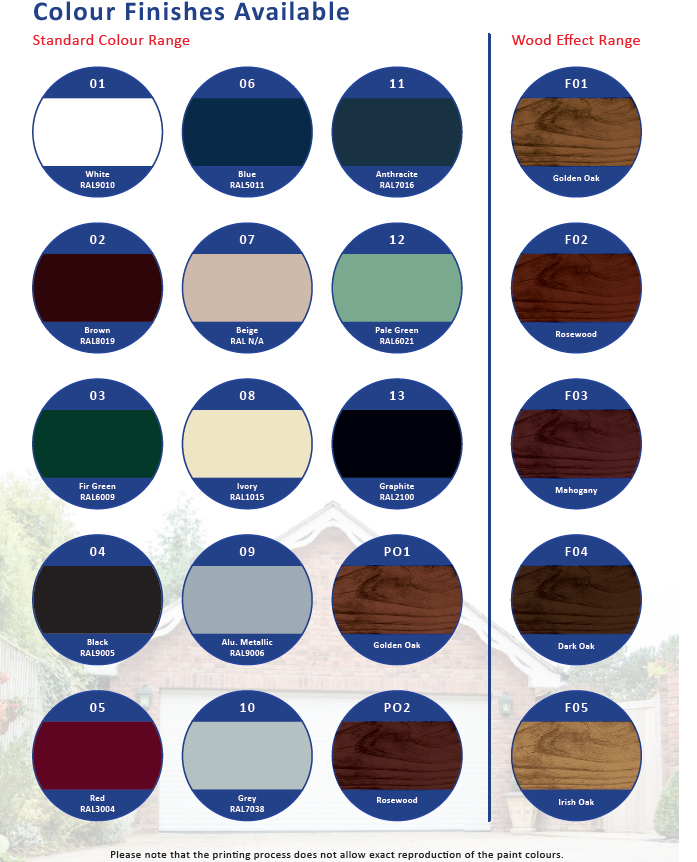
- Pros: low maintenance, stable in humidity, customizable finishes.
- Cons: can be pricier than vinyl or basic steel, quality varies by manufacturer.
Material selection checklist for Somerville homeowners
Use this quick checklist when evaluating materials for smart garage systems MA projects. It keeps your priority on local conditions, integration needs, and long-term costs.
- Weather resilience: choose galvanized steel, composite, or properly sealed wood for humidity and freeze cycles.
- Insulation needs: look for higher R-values if your garage is attached or conditioned.
- Weight and opener compatibility: heavier doors need stronger openers; confirm motor ratings before purchase.
- Maintenance tolerance: choose low-maintenance materials if you prefer fewer seasonal tasks.
- Security and sensors: solid construction reduces false alarms and improves sensor reliability for smart garage systems.
For specifics on models and compatibility, see our services page so you can match the door material to recommended openers and sensor packages: https://garagedoors-somerville.com/services.
Installation tips, permits, and local considerations
Permit and code review
Somerville may require permits for structural changes or electrical work tied to smart garage systems. A licensed local installer will advise you on whether your upgrade triggers building permits, especially if you alter door size or add hardwired components.
Timing and seasonal scheduling
In MA, schedule installations for spring or fall when temperatures are moderate. Cold-weather installations can be done but may affect sealants and paint curing. Planning ahead shortens wait times and reduces the chance of weather-related delays.
If you want an on-site assessment or a quote about timelines, contact our team directly: https://garagedoors-somerville.com/contact.
Maintenance schedule
- Inspect seals and weatherstripping annually.
- Lubricate tracks and rollers twice a year, more often if near coastal moisture.
- Test smart sensors and battery backups every six months to avoid winter failures.
Regular maintenance protects both the door material and the electronics in smart garage systems, extending life and maintaining consistent performance.
Cost guidance and warranties
Material affects upfront cost and lifetime value. Basic steel starts lower; insulated steel and composite cost more but save energy. Wood typically has higher initial cost plus ongoing maintenance. Ask about manufacturer warranties on the door and separate warranties for smart opener electronics and installation labor.
For a clear estimate tailored to Somerville homes—including compatible openers and recommended materials—check our blog for recent project breakdowns and typical pricing ranges: https://garagedoors-somerville.com/blog.
Choosing the right materials for smart garage systems MA projects means balancing appearance, durability, insulation, and how well your chosen material supports integrated electronics. With local weather and permit rules in mind, you can pick a door that performs year-round and pairs reliably with modern smart hardware.
Frequently Asked Questions — Somerville, MA
Q: Will a steel door affect my smart sensors during freezing winters in Somerville?
A: Steel itself does not interfere with sensors, but gaps from contracting trim or frozen seals can. Choose insulated steel with quality weatherstripping and test sensors after cold snaps.
Q: How long does installation of a smart garage system usually take?
A: A straightforward door replacement with a smart opener is typically 4–8 hours. If permits, custom sizing, or electrical work are needed, plan 1–3 days. We can advise on schedules during an on-site estimate.
Q: What price range should Somerville homeowners expect for a smart-ready door?
A: Expect <$1,200 for basic steel, $1,500–$3,500 for insulated steel or aluminum, $3,000+ for premium composite or custom wood. Smart openers and installation add $300–$900 more depending on features and wiring needs.
Q: Do I need a permit to replace my garage door or install smart wiring in Somerville?
A: Minor door replacements often don’t require structural permits, but changing door size or adding new wiring may. We verify permit requirements during evaluation and can handle filings if needed.
Q: What warranties should I look for when buying materials for smart garage systems?
A: Look for manufacturer warranties on the door panel (10+ years for steel/composite common), separate motor warranties for openers, and installation labor warranties from your contractor. Keep documentation for local claims.
Helpful local resources in Somerville, MA
- Garage Door Repair Boston
- Garage Door Repair Cambridge
- Garage Door Repair Newton
- Garage Door Repair Lexington
- Garage Door Repair Wellesley
- Garage Door Repair Brookline
- Garage Door Repair Somerville
- Garage Door Repair Burlington
- Garage Door Repair Andover
- Garage Door Repair Weston
- Garage Door Repair Belmont
- Garage Door Repair Westwood
- Garage Door Repair Sharon
- Garage Door Repair Needham
- Garage Door Repair Concord
- Garage Door Repair Hingham
- Garage Door Repair Scituate
- Garage Door Repair Marblehead
- Garage Door Repair Natick
- Garage Door Repair Milton
- Garage Door Repair Acton
- Garage Door Repair Medfield
- Garage Door Repair Sudbury
- Garage Door Repair Wayland
- Garage Door Repair Hanover
- Garage Door Repair Tewksbury
- Garage Door Repair Carlisle
- Garage Door Repair Dover
- Garage Door Repair Hopkinton
- Garage Door Repair Framingham